Highlights:
- Depending on the situation, cities might help trim or remove trees without charging you.
- If the city planted the tree in the first place, ask if they’ll remove it for free.
- It’s the same for trees on public land if your city has an emergency plan.
- Cities often take down public trees if they’re not safe for people or if they hang over onto your property.
Get a free estimate to remove your tree!
Ever looked at a tree in your neighborhood and thought, “Hmm, that tree needs to go”? Well, guess what – you’re not alone! Sometimes, your city might help you with that tree trouble, and the best part? It could be free!
Yep, you heard it right. Cities, in some cases, will give a hand with cutting down or trimming trees, and we’re here to spill the secrets on how you can make that happen. So, if you’ve got a tree causing a fuss, stick around – we’re diving into the world of getting your city to get rid of it for you.
Do Cities Remove Trees for Free?
The quick answer? Yes, in some places, like cities or counties, they might help you out by removing or trimming a tree.
But hold on – there are some essential things to keep in mind. The tree removal rules can differ depending on where you live – your state, city, or even county. So, chatting with the folks in charge of these rules is a good idea.
But remember, this isn’t for every situation – only a few special ones get this kind of help.
When Does the City Help with Tree Removal for Free?
Okay, here’s the deal – different places have different rules for removing or trimming trees. These rules change depending on where you live – like in your city, county, or state.
What’s a no-pay tree removal in one place might be different in another. You can start by talking to the city folks about their rules. Now, let’s get into it – why might a city give you a hand with tree stuff for free?
Local Vegetation Management Programs
In certain places, cities have programs to handle all things plant-related. This includes planting trees and caring for them, like ensuring they’re healthy and sometimes even getting rid of them.
But here’s the twist – not all of these programs do the same stuff. Some only plant trees and don’t do much after that. If you’re curious about the trees around your place, you can ask the city if they planted them through one of these programs. If they did, you might need to ask them for permission before removing the tree.
In some cases, this might not cost you a penny!
The City Owns It
Cities do more than plant trees through special programs. They also put up trees to make neighborhoods look better. If you want one of these city-planted trees removed or trimmed, you can ask the city to do it without paying.
But here’s the catch – you must have a good reason for it. Trimming the tree is usually easier to get approved than removing it completely.
If you’re considering asking the city to remove a tree, there must be a safety concern. It should be something that could hurt you or your stuff.
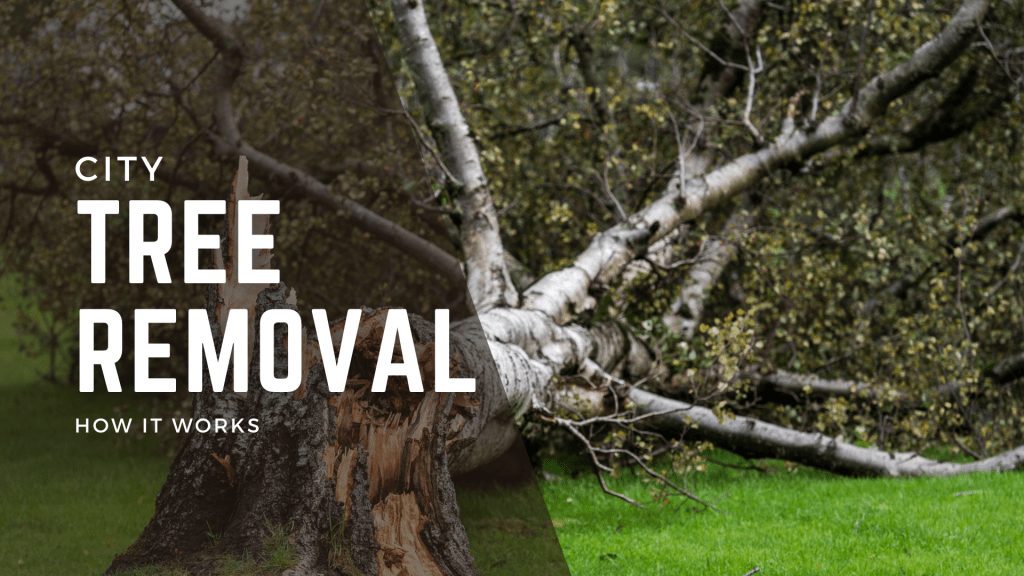
For example, if a tree is sick and its illness might spread to other trees around, or if a tree is leaning dangerously, the city might step in and help you out by removing it.
Trees Hanging Over Private Property
Is a tree from a public area hanging over into your yard and causing problems? You can tell the city about it! Especially if it’s touching or leaning into your private space. It might be annoying or even unsafe for your family.
You can talk to the city and ask them to trim the tree for free. They might even take it out entirely if it’s a big issue. So, don’t hesitate to tell the city if that tree is bugging you!
Leaning Trees in Public Places
Now, let’s talk about trees that lean and might be risky for folks in the city, even if they don’t touch your space.
If a tree on a road or in a park seems dangerous, you can do something about it. You can tell the city it’s a concern, and they can trim it or take it away. It’s easy to get this done because the tree is on public land, and you’re asking for the safety of everyone.
Here’s what you can do: go to a local regulatory office or find a form online to fill out.
Emergency Plans for Bad Weather
If you’re living in an area with a lot of crazy weather like hurricanes or wildfires, your city probably has a plan to handle emergencies. Taxes pay for these plans and help when things get tough – like after a big storm or other severe weather.
They can take away trees, which could be risky, especially if there’s been a storm. But here’s the catch – these plans are usually just for trees on public land, not your yard.
To see if your town has a plan like this, you can visit the fire department or the city hall. Remember, these plans are mainly for trees in public places.
Boise, Idaho Emergency Management.
If you’re wondering about removing your tree and having your homeowners’ insurance pay for it, you better chat with your insurance company. They’ll fill you in on the details.
Trees and Power Lines
If you have a tree that’s getting too close to a power line, here’s what you can do.
First, talk to the city and ask if they can help remove the tree without charging you.
If they can’t or won’t do it, don’t worry! You’ve got another plan. You can call the power company that put up the power line. They don’t want any trees causing trouble with the electricity, so they might trim the tree or take it away themselves. These power companies usually work with tree experts to get it done right.
When Will the City Not Remove a Tree?
The quick answer? If your situation doesn’t match what we talked about earlier, you might need to handle the tree removal yourself.
But here’s a tip: it’s always wise to ask the city first, just in case. Let’s check out some situations where the city might say “no.”
- Landscaping: If you’re redoing your yard and a tree’s in the way, that’s usually your job to sort out.
- Trees Falling: If a tree falls and blocks your driveway, it’s often up to you to clear it, especially if it fell from your land. If it came from your neighbor’s place, it might be their job. But the city will only get involved if it’s on public land.
- Root Troubles: If a tree’s roots are causing problems on public land, you’ve got a case. But the city won’t jump in if they’re causing trouble for land.
- Sick or Dead Trees: If a diseased tree might hurt other trees on public land, the city might help. But usually, it’s up to you to handle sick, dying, or dead trees on your property.
Tips to Make Tree Removal Happen with the City’s Help:
- Learn the Rules: Every place has different rules about city tree help. Chat with someone who knows the rules and make a list of what you can do.
- Get Info Ready: Before you ask the city, gather info about the tree – like pictures – to explain why it needs to go.
- Be Available: When the city sends someone to check the tree, be there to show them stuff they might miss.
- Stay in Touch: After the checkup, keep asking the city how things are going. Remind them if the tree’s a significant danger.
- Be Patient: The city might have many requests, so it might take a bit. But don’t worry. They’ll get to you eventually.
The Environmental Impact Of Tree Removal
Tree removal can have significant environmental impacts, affecting the delicate balance of ecosystems and the well-being of our planet. When trees are removed, several important environmental factors come into play:
- Habitat Loss: Trees provide homes and food sources for countless species, from birds and insects to mammals and fungi. Removing trees disrupts these habitats, potentially leading to a decline in biodiversity as animals lose their homes and sources of nourishment.
- Air Quality: Trees play a crucial role in purifying the air we breathe. Through a process called photosynthesis, trees absorb carbon dioxide and release oxygen. When trees are removed, there’s less oxygen production and less carbon dioxide absorption, potentially contributing to air pollution and climate change.
- Water Regulation: Trees help regulate the water cycle by absorbing rainwater and releasing it slowly into the ground. This process helps prevent soil erosion, reduces the risk of flooding, and maintains a steady water supply in rivers and streams. Removing trees can disrupt this cycle, leading to soil erosion, increased runoff, and potential water shortages.
- Climate Impact: Trees act as natural carbon sinks, storing carbon dioxide from the atmosphere. When trees are removed, the stored carbon is released back into the atmosphere, contributing to greenhouse gas emissions and exacerbating climate change.
- Temperature Regulation: Trees provide shade and help cool the environment through a process called transpiration, where they release water vapor into the air. Without trees, urban areas can become “heat islands,” with higher temperatures and increased energy consumption for cooling.
- Soil Health: Trees help maintain soil fertility by providing organic matter and preventing soil erosion. Removal of trees can lead to soil degradation, reduced fertility, and increased vulnerability to erosion.
- Aesthetic and Recreational Value: Trees enhance the beauty of landscapes and provide spaces for recreation and relaxation. Removing trees can diminish the aesthetic appeal of an area and limit opportunities for outdoor activities.
To mitigate the environmental impact of tree removal, it’s essential to carefully consider the necessity of removing a tree and explore alternative solutions, such as pruning or transplanting. In cases where tree removal is necessary, planning for tree replanting or restoration efforts can help offset some of the environmental consequences. Balancing our need for development with the preservation of natural ecosystems is crucial for a sustainable future. In most cases your city should have a plan for this!
Getting Your City To Remove A Tree
Getting your city to trim or remove a tree can be a real game-changer for your property’s safety and your peace of mind. Remember, it’s all about being informed, reaching out to the right folks, and making a strong case for why that tree needs to go.
Whether it’s about public safety, overhanging branches, or emergency plans, your city might just be the helping hand you need. So, don’t hesitate to explore your options, follow the tips we’ve shared, and be patient if things take a bit of time. With the right approach, you can create a safer and more enjoyable environment for you, your family, and your community.
Need some help with your tree project? Get a quote from professionals!
 Tree & Stump Removal